

 Share your experiences by joining our Patient Engagement Forum.
My advocacy journey: “Knowledge was power”
In this blog, Kate, a member of our Patient Engagement Forum reflects on her fertility journey and shares advice on how patients can advocate for themselves during treatment.
There aren’t enough words I could use to describe my IVF journey and what I went through along the way.
After two years of trying to conceive, a long wait for a referral to a gynaecologist for tests and investigations and waiting to access funding for IVF, we were finally able to choose our clinic. When we received our first appointment, I truly believed that all our prayers had been answered. Looking back now, I realise how naïve I was about the whole experience, and that makes me very emotional.
When my partner and I were searching for a clinic, the only thing I was keeping in mind was live birth rates. I didn’t consider anything else beyond that. People that I knew who had undergone IVF at the time had been fortunate enough to succeed on their first round, with minimal or no issues, so they highly recommended their clinics based on their own experiences.
My first clinic appointment was on my 30th birthday. It was over an hour away from our home in central London, and I remember my partner and I deciding to make a day of it—we had a few celebratory activities planned. I was so happy to be starting IVF, and I thought I’d fall pregnant from our first round. I wasn’t prepared for any other outcome. No one told me otherwise so I couldn’t even imagine the treatment not being successful on our first round.
Looking back, I wish my partner and I had been better informed about our treatment before our fertility journey began. There were many things we were not told about such as lifestyle changes that might have improved our chances of conceiving, or that success is more likely on subsequent IVF cycles rather than the first. We also weren’t told that not all fertilised eggs develop into embryos – our list could go on.
Although I knew that this information was available online (and believe me, I spent hours searching for answers and statistics once I realised what the IVF process would entail), I didn’t think I would need to do my own research because I believed the treatment would work on our first try.
I had placed all my trust in our consultant at the time, and I didn’t question any decisions or treatment options because, in my mind, they knew best. Coming from a medical background myself, I had complete faith that all the relevant information would be shared with me.
I went on to have two egg collections with two failed embryo transfers. After my third egg collection, I was admitted to hospital with OHSS (Ovarian Hyperstimulation Syndrome). It was then that I realised I needed to start advocating for myself.
I began connecting with others going through IVF and gained so much knowledge and support from fellow patients, which gave me the courage to start going to appointments with questions and any concerns I had. As far as I was concerned, knowledge was power. The moment I started to advocate for myself it felt like everything started to slot into place. My clinic changed my treatment plan, and further investigations were offered to me, rather than continuing with repeated egg collections and transfers. By the time I went for my fourth embryo transfer, I knew the right questions to ask, and I felt confident enough to speak up when I needed to.
I believe that advocating for myself played a huge role in me finally having a successful pregnancy, resulting in my miracle baby. I would encourage anyone starting their fertility journey to reach out and speak to others when it feels right for them. I understand that no two journeys are the same, but even if it helps with just one small part of your journey, it can make a difference. I spoke to people who all had different stories – those who had successful treatment on their first round, those with autoimmune conditions, and those who had experienced repeated failed transfers. Each story offered valuable insight, expectations, and support.
I must admit, I was initially nervous to speak about my fertility struggles—it felt like a big secret. But now, I strongly believe in speaking openly about fertility and I’ve decided to share my story in the hope that it might help someone who is going through the same thing. Considering recent HFEA data shows that around one in 31 births in 2024 were via IVF, it’s more important than ever to talk about fertility and fertility treatment.
I am truly blessed that my fourth transfer resulted in the birth of my beautiful daughter, and when I embark on my next round of IVF in the future, I can do so with the assurance that I will be advocating for myself at all stages of my journey.
About the author
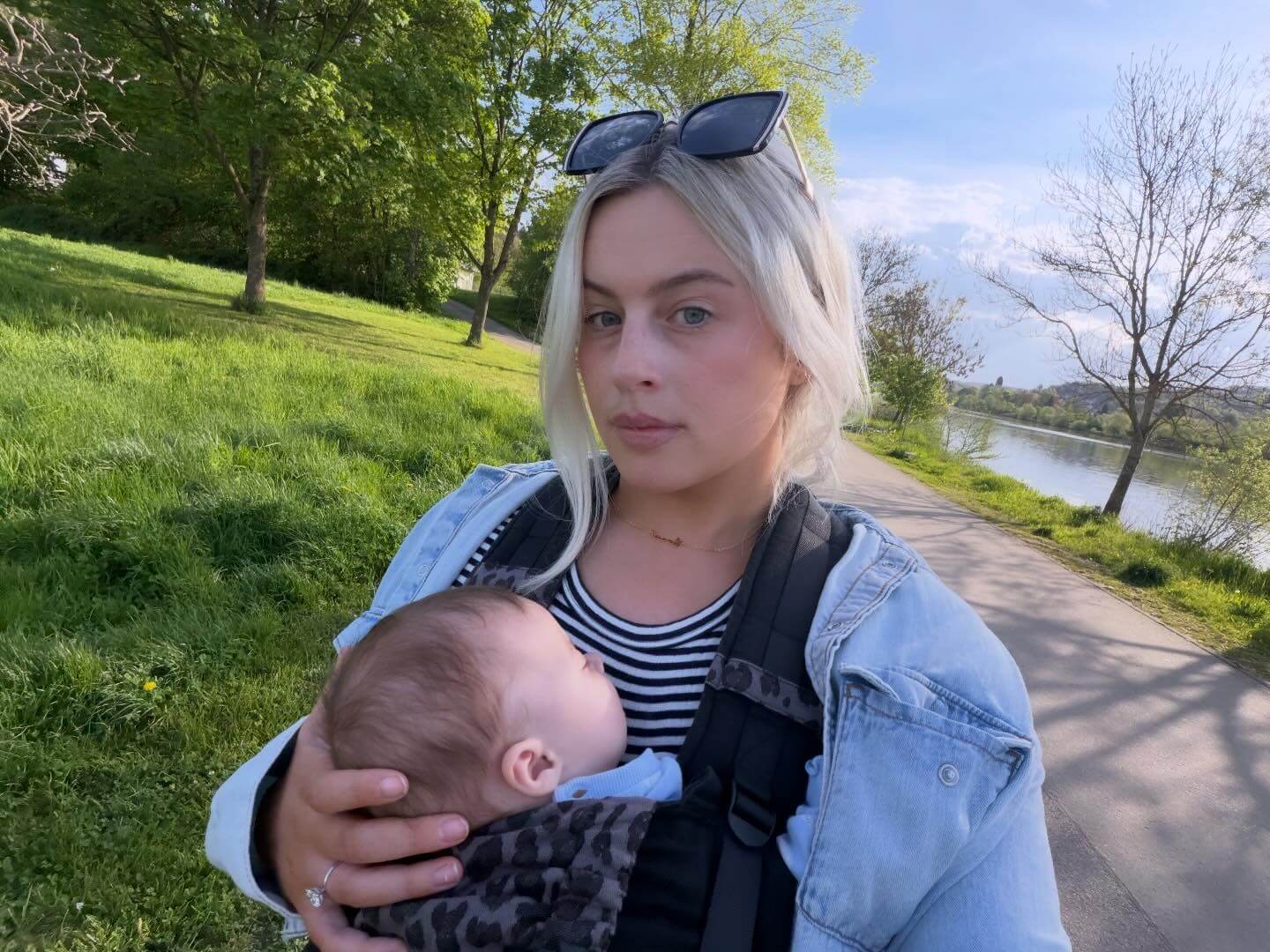
Kate is a nurse with a background in Oncology and Acute Medicine. She suffered with PMOS (Polyendocrine Metabolic Ovarian Syndrome) and infertility for four years and after three egg collections, four embryo transfers and one chemical pregnancy, she now has a 8-month-old baby girl.
| Publication date: |
|---|
