

International MRKH Day: “Being told you are infertile at any age is hard. But finding out as a teenager is something you are not prepared for”
Mayer Rokitansky Kuster Hauser syndrome (MRKH) is a congenital condition affecting 1 in 5,000 female births. It is the absence or underdevelopment of the uterus (womb), cervix, and vagina while ovaries are still present. Charlie, Director of MRKH Connect, shares her experience living with the condition.
Being told you are infertile at any age is hard. But finding out as a teenager is something you are not prepared for. Sex education never explains what happens when periods don’t start at all, which makes it even more difficult for others to understand and only leads to further isolation and insecurity when it happens.
I was diagnosed with MRKH at the age of 17, after visiting my GP the previous year because my periods didn’t start. Following an ultrasound, and even being put on the pill, a laparoscopy identified I had MRKH, which was why my periods hadn’t started, and never would.
To say that came as a shock was an understatement. It was not a condition I had ever heard of, and neither had my Mum. My doctor had only ever seen one other case at that time. Yet now, at 42 I see the same, MRKH is still relatively unknown despite being rare – but not that rare.
While outwardly MRKH has no physical presence, the internal toll is tough. The mental health impact of understanding that you can’t carry your own child at 17, despite that being far from your mind at that time, is challenging to process. Suddenly, I was faced with topics that teens should not be facing.
My focus was being drawn to thinking of “future” rather than living in the moment. Coupled with knowing that the underdevelopment of the vagina would make sexual relationships challenging unless dilation (used to lengthen the vaginal tissue) is undertaken. This process, repeated two to three times a day for several months, is a lot to go through when you’re still a young adult yourself.
I subsequently explored IVF in my late 20s, for many reasons it was not the right path for me to follow. I look back now, older and wiser, and know that was the right decision then and would still be the right decision now. My future didn’t look as I expected, but how many of them really do?
This seems like a lot, because it is, and I have learned over time that a big part of that is because these topics, especially around women’s health, and reproductive health at that, are simply not discussed as openly as they could, and should, be. Their taboo nature compounds the grief and isolation.
I found support and comfort in both peer support and professional services making it possible to address the different stages of grief I was feeling at the various stages of my journey. From the initial shock and managing the dilation process, to friends around me having children, and then exploring my own options.
But through it all I was processing what it meant, and building an acceptance, even if I didn’t really know it at the time. Learning to accept my diagnosis came with time and, for me, it also came through being open about my experiences, which made it possible to learn from others, not just my peers but others who were facing different infertility conditions. This is something I have valued enormously and has enabled me to find peace with it, within myself, and to genuinely find happiness and joy despite the pain of the initial diagnosis.
A big part of MRKH is getting your head around what this all means for you personally, while also navigating a grief for the loss of something you never had, or may never have wanted but had no choice regardless. But through it all comes a strength you never knew you had, an appreciation and understanding of the complexity of our bodies you didn’t expect, and a community that is fierce and proud to make the experience better for the next person diagnosed.
About MRKH:
MRKH is a congenital condition, usually discovered and diagnosed during puberty due to periods not starting. Those with Type 1 MRKH:
- Have an absent or underdeveloped uterus (womb), cervix, and vagina
- Have ovaries that produce eggs and hormones but do not have periods
- Cannot get pregnant or carry a baby, but can have biological children of their own through IVF with a surrogate
Type 2 MRKH is the same as the above, but patients also have a chance of having differences in the development of their kidneys, bones, hearing or heart (or a combination).
About the author
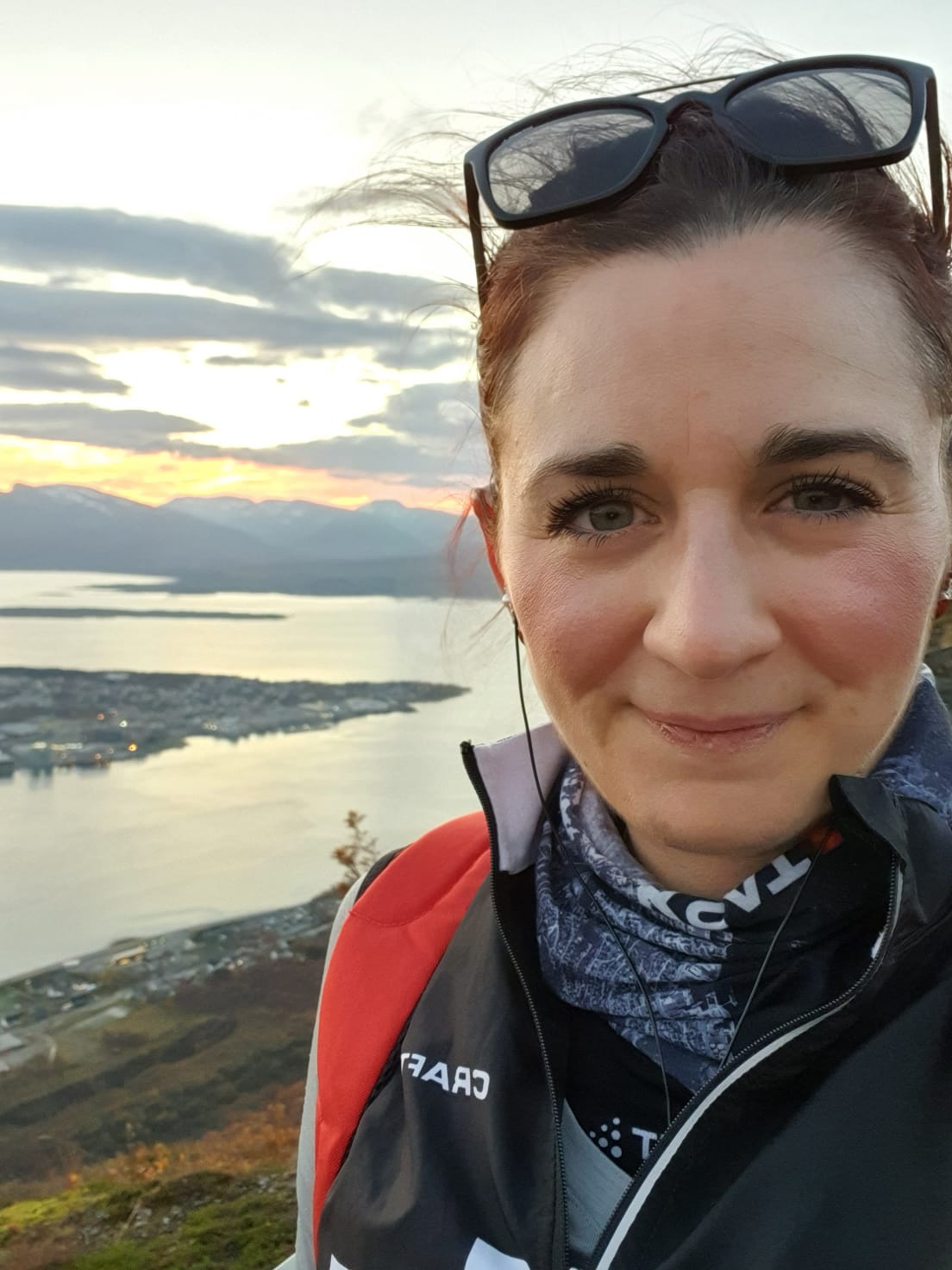
Charlie is the Director of UK registered charity MRKH Connect. Founded in 2014 with a mission to connect those with MRKH together, provide support and resources, and support family and friends while raising public awareness. An advocate in her own right, she shares her personal experiences to help others with MRKH and has spoken publicly about her experiences, and the work of MRKH Connect, at The Fertility Show and in the media.
| Publication date: |
|---|
