

Day in the life of a Social Research Manager: “Social research enables us to better understand the experience, views, and opinions of patients”
At the HFEA, we have a Research and Intelligence team who work together to analyse and present data using our national data register, as well as conduct social research. In this blog, our Social Research Manager, Ruby Relton, gives us a glimpse into a typical day at the HFEA.
I joined the HFEA in 2024 and have worked on several projects that use HFEA data to answer questions from patients and the public through enquiries and publications. Our team is responsible for conducting research and analysis using data from our national register and other data sources to help support work at the HFEA.
Here is what a typical day for a Social Research Manager at the HFEA would look like…
08:00
I begin each day by checking my inbox for updates on any projects I am currently working on and our general team inbox for any incoming enquiries about the data we hold or publish.
Part of my role as Social Research Manager means I often work closely with different teams to support projects that would benefit from input from patients, professionals, and the public. So I also use this time to check key actions needed from me within these projects over the course of the week.
These tasks are essential to help me prioritise what work I need to carry out during the week, and to identify any enquiries that are time sensitive.
09:00
Members of the public can submit enquiries to the HFEA on a range of topics. The Research and Intelligence team are responsible for responding to questions from the public about our publications and the data that we hold.
This morning we received an urgent request from our Press Office, looking for data input to respond to an upcoming news story.
When a request comes in, the first thing I always do is review the request received, determine what exactly the requester is asking for, whether we hold the specific requested information and, if needed, review published sources to see if there is anything we can direct them to.
Often our team will handle multiple requests at once. So, I would also check what the progress of any other requests we are answering/supporting with and when those are due.
11:00
Every day, we have a team check-in where we discuss any ongoing projects being carried out, as well as any requests for information that have come in and any information that we need to consider.
During this meeting, I would usually discuss the incoming request and my plan for answering it. If there is nothing already published that can suitably answer their request, I would discuss pulling the data from the HFEA register.
These meetings provide an opportunity to sense check methodology, as well as discuss whether there is any additional context or information we can provide alongside the request.
As this urgent request sent over from our Press Office can be answered by using our publicly available award-winning HFEA dashboard, I will prepare a draft to share for sign off.
What is the HFEA dashboard?
The HFEA dashboard is an interactive tool for the public produced from data collected from licensed fertility clinics in the United Kingdom who, by law, must provide us with data on all fertility treatments and outcomes.
12:30 – 13:00
At lunchtime, I try to get out and go for a walk to clear my mind and get set up for the afternoon.
If I’m in the office, I usually walk with my colleagues in the parks surrounding our building before having lunch at the canteen together.
14:00
My team is responsible for producing publications from HFEA data. This could be using data collected from the HFEA national register or other sources. As a publication lead, you’re responsible for not only the data analysis and write-up of the report, but also the management and coordination of the project delivery.
I have just concluded work on our annual Fertility treatment 2024: trends and figures publication and this afternoon I will be moving on to carrying out the scoping work for our next National Patient Survey. This survey is run every three years and enables us to better understand the views and experiences of fertility patients in the United Kingdom (UK).
To start this project, I will spend a few hours reviewing the previous survey to determine whether the questions are still relevant to the sector today. I would also review the lessons learned from the last time we ran this survey as well as looking at recent, published scientific research or any changes in policy. This will help me draft my recommendations to put forward to the project team.
16:00
At the end of the day, I use this quieter period with no meetings to check up on any other Social Research projects I am working on.
At the moment, I am preparing the necessary documentation to go out and recruit new members for our Patient Engagement Forum. This requires reviewing the previous questionnaire and discussing the different recruitment methods we will be using with the rest of the project team.
Usually at this point in the day I will also have received sign off for proposed responses to enquiries so I would make sure these get sent out to the correct individuals.
As you can see, my role, and days, are extremely varied. I am constantly learning about new and different aspects of fertility treatment by working across the organisation on a variety of projects.
Social research enables us to better understand the experience, views, and opinions of patients and the public on different aspects of fertility treatment and our work. This understanding can help us work towards creating meaningful change across the sector, by holding patients at the centre of all we do. From analysing and producing publications using the HFEA register to make our data more accessible to the public, through to using the National Patient Survey to spotlight the issues that matter to patients, it is a privilege to be able to contribute to this important work.
About the author
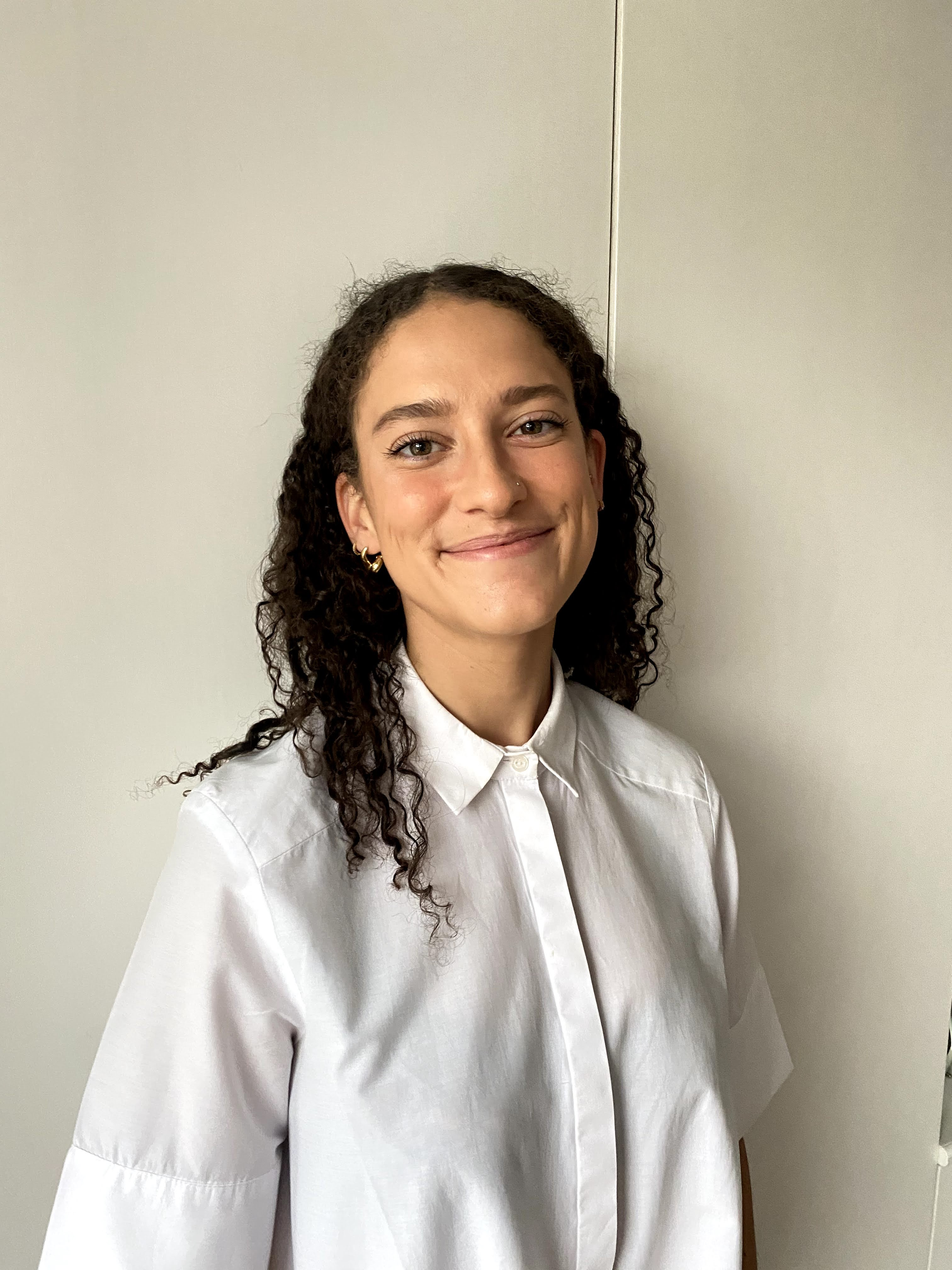
Ruby Ross Relton is the Social Research Manager at the HFEA with a BSc (Hons) in Biomedical Science and MSc Reproductive Science and Women’s Health.
Ruby is an active researcher, with experience across both the public and private sectors, previously working in reproductive health before moving to the HFEA.
Her research to date has focused on identifying inequalities in outcomes and care across reproductive life, as well as outlining the factors that play a role in patient experience.
| Publication date: |
|---|
